Becoming Pastrnak

smells-like-victory

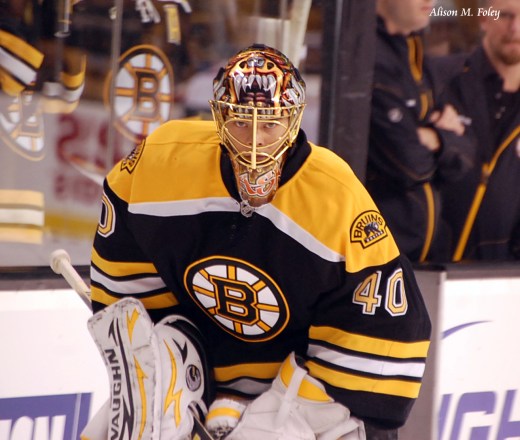
It’s official…we can stop speaking about potential because David Pastrnak has arrived on hockey’s biggest stage and he isn’t going away.

13 goals into the 2016-17 NHL campaign, we had every indication that the 20-year-old’s rapid ascension from late first-round pick (23 teams and Vancouver two times passed on him before he got to Boston at 25th overall in 2014) to NHL rookie to a regression in his sophomore campaign to the straw stirring Boston’s scoring drink in just his third big league season was no fluke.

Last night, the native of Havirov in the Czech Republic, practically willed his Bruins to an important victory at home against the flailing Florida Panthers, an Atlantic Division opponent they could ill afford to surrender points to.

The B’s blew three leads, giving up the tying goal late before Pastrnak put on an electric laser show of his own during the 3-on-3 overtime period, taking a David Krejci Harlem Globetrotter-esque behind-the-back pass just inside the Panthers blue line. After that, it was pure magic as Pastrnak took the puck and rushed at former Boston College Eagle defender Michael Matheson who was caught standing still and only helplessly able to wave his stick at Boston’s young star as he went one way, then the other, skating around the blue paint to pull Roberto Luongo practically out of his own gear before firing the puck into the open net on the far side for his second tally of the night and 15th of the season.

https://www.youtube.com/watch?v=UwkXyOFxVOM

We’re only six days into December and Pastrnak has already tied his career-best for goals in a single campaign, doing it in just 21 games where it took him 30 more to hit that total last year. He’s overcome nagging injuries and a ridiculous two-game suspension to keep pumping home the rubber in a year when Boston’s bigger stars- Patrice Bergeron and Brad Marchand– have had trouble finding the back of the net compared to their own normal lofty standards.

After Tuukka Rask, there is little doubt that the most important player to the B’s having been able to keep their heads above water in the early going this season is Pastrnak.

To put it more simply, the kid, who is still some six months away from being legally able to consume alcohol in the city in which he’s found a home, is a player.

Even with the subpar 2015-16 performance, exacerbated by a fractured foot and other ailments that cost him 31 games out of the schedule, we all had an idea that this was coming. Pastrnak made an immediate NHL splash in January 2015 after being a point-per-game player with Providence of the AHL, and has never really looked back.

Now healthy and benefiting from an aggressive and diligent offseason weight training regimen that has allowed him to win far more puck battles and drive the net with greater effectiveness than he could at ages 18-19, we’re seeing the pure skill and joy with which he plays the game paying off.

It’s not going to change, either.

So, how did we get here? There are a few important factors in Pastrnak’s breakout third NHL season, and we’ll try to break them down. This isn’t by any means an all-encompassing list of what drives the young right wing and explains the enormous success he’s having, but it gets to the heart of how he’s become the Pastrnak that has enthralled the city of Boston and Bruins fans all over the globe.

It’s the talent, stupid…

With apologies to former President William Jefferson Clinton, Pastrnak was a top-10 skill forward who fell to the final five selections of the 2014 NHL Entry Draft not because teams didn’t think he could play, but over injuries that took him out of action with Sodertalje in Sweden during the 2013-14 hockey season’s most important stretch drive…January thru March.

Hockey scouts typically confirm the players they are keen on (or not so keen on) during this 90-day (give or take) period, and if you’re not playing, then you could fall out of sight/out of mind.

Pastrnak is not the biggest guy, so a back injury that cost him just about that entire range of pro games probably scared some teams off in terms of durability concerns. To be fair, his struggles to stay healthy last year in Boston don’t alleviate the risk that will likely follow Pastrnak throughout his career. Because he plays the game with such abandon, he tends to put himself into compromising positions to take big hits. However, for Pastrnak to slide out of being a top-15 pick at worst all the way down to 25 was Boston’s great fortune.

Here’s the Red Line Report draft guide scouting report on him from June 2014 (he was ranked 14th and would have been higher if not for so much missed time), and you be the judge as to whether this sounds like a late 1st-round player to you or someone who should have been off the board inside the first 10 selections or so:

Shifty with excellent east-west moves and lateral agility- tough to contain. Needs very little time or space to get shots away from the slot or even off balance or on passes in his skates. Kicks passes from his skates up to stick blade in one motion without slowing or breaking stride. Very active running the PP from both the half-boards and down low- makes great cross-crease set ups. Edges well and is smooth out of his breaks with quick, slashing changes of direction. Great on the rush, utilizing dynamic puck skill and change of pace. At his best driving aggressively into lanes- not big, but fearlessly bulls his way through checkers to storm the net. Absolutely loves the game; great desire and plays every shift as if it were his last. Determined battler in traffic. Dangerous in open ice and impossible to corral 1-on-1. Terrific stickhandler buys time for linemates to get open and shows deft passing skills.

In the end, we can’t definitively explain why Pastrnak slipped so far, but we can say that the Bruins themselves valued him significantly more than where they were picking. According to one team source, they tried to trade up about 10 spots to take him at or around 15 but were unable to pull off the deal. Imagine their unmitigated thrill when they stood pat (and likely resigned themselves to not getting the player they really wanted) and he was still there at 25.

Humble beginnings in Havirov

Believe it or not, Pastrnak himself says he wasn’t always passionate about hockey.

We know…that’s hard to fathom in 2016, but despite his late father, Milan, having been a pro player in Europe’s lower-end league, cresting in Germany’s second division in the late 90’s, the younger Pastrnak was not an instant fanatic of the game.

During his second (and permanent) recall to Boston in January of 2015, TSP’s founder had a chance to sit down with the young rookie and interview him after a Bruins practice and Pastrnak told a story about how supportive his parents were when he was in his first years of organized hockey.

To paraphrase: There were days I just didn’t feel like going to practice, and they never pressured me or forced me to go. When I got older and all I wanted to do was live at the rink and play hockey, they allowed me to do it and were there for me. I think that’s important for kids- that their parents just let them take to hockey on their own schedule. It might explain why some kids burn out or lose their passion for it…it isn’t fun for them anymore. Hockey has always been fun for me, because my mom and dad let me develop my own love for the sport without any extra pressure.

Pastrnak said that there was one rink in his hometown and that he would dress up into full equipment (carrying his skates of course) at the family’s humble apartment and then ride the bus to the end of the line to practice and play. He maintains that the humble beginnings for him have been instrumental in his appreciation for the different places he’s gone since…Sodertalje in Sweden, then Providence, Rhode Island…and of course- Boston, where his pure ability and love of hockey has made him an instant fan favorite. He’s a blue collar kid who plays a decidedly more finesse style, but let’s face it- the love affair started right away because he has embraced Boston with as much force as B’s fans have taken to him.

Drive north on I-95 and never look back

The plan was for Pastrnak to spend a full year in the AHL with the Providence Bruins and if Boston was lucky, he might be ready to get a full-time NHL look for the 2015-16 season.

From the get-go, he emerged as one of the Baby B’s top players, impressing current assistant coach Bruce Cassidy with his maturity, work ethic and humility to go along with the obvious high-end offensive skills that translated immediately to a point-per-game seamless transition to North American hockey.

“He wants to be a player and it shows in everything he does,” Cassidy told us in early 2015 after a Providence game played without the rookie, summoned to Boston days before. “I think we’ve lost him (to Boston)…I’d be surprised if he comes back, and that speaks a great deal to not only his ability to play in the NHL, but the way he came in an absorbed everything we threw at him and not only was able to make an adjustment that not every European kid can, but performed as one of our top forwards. He’s a mature, driven guy- you don’t always see that because he has that easy smile and seems like a typical teenager, but he came in hungry and determined and it’s nice to see him rewarded for it.”

Another story from Pastrnak’s Providence days comes from respected Providence Journal hockey scribe Mark Divver, who talked of the rookie going down to the farm team after spending all of the preseason with Boston. Most of the “good” jersey numbers had been claimed at that point, according to Divver, and Pastrnak was offered No. 32- hardly a distinguished set of digits for a forward, let alone the parent club’s top pick and prospect.

“He said, ‘Yeah- I’ll take that number,’” Divver said (paraphrased). “’My father wore 32 and I’m happy to wear it, too.’ That’s the kind of kid he is- some might have sulked at not getting something more exciting, but he took 32 without complaint and then did some pretty good things with it while he was here.”

Seems like a trite and trivial anecdote, but it’s really not- Pastrnak showed up without an ounce of pretentiousness or entitlement. He just wanted to fit in and be treated like anyone else. Even when he was producing to the tune of 11 goals and 28 points in 25 AHL games before he went up to Boston permanently (Pastrnak did play three games in Providence last season going 1-3-4 in a conditioning stint after returning from his foot injury), he kept it grounded and humble, which is one of the things that the Bruins loved about him to begin with.

He took the lessons and experiences he had in the AHL, hopped in a car and drove up I-95 to Boston in January 2015, applying them effectively and not looking back.


Roll up the sleeves and get to work

In that Boston practice early in Pastrnak’s Bruins tenure, TSP was talking to B’s defenseman Torey Krug and asking him about the exciting newcomer. Krug’s immediate answer was pretty telling:

“Look around,” he said waving his arm around the cramped confines of the Ristuccia Arena dressing room. “Pasta’s not in here- I think he’s still out on the ice right now.”

Krug went on: “He’s always the last one off the ice, and I think that’s what makes the young players that stick. That’s what makes them special.”

Now a grizzled veteran, Krug couldn’t be more different from Pastrnak in terms of pedigree and path taken to the Bruins, but the two are kindred spirits when it comes to passion for hockey and the desire to achieve above and beyond what was expected of them.

Pastrnak indeed was the last player off the ice and into the room that day…we even had to ask for permission to stay in the room after it closed so we could talk to him. Permission granted, it was an enjoyable look into the mind of a young man who at 18 already understood the importance of hard work, and he pulled no punches in pointing out that he was motivated by those teams that skipped over him in the draft and made his wait at the Wells Fargo Center longer than it should have been.

“I love Boston and the Bruins,” he said after talking about proving “all the other teams” wrong. “What (do) they say…things happen for (a) reason?”

That attitude and the willingness to work on the ice and off- his conditioning has been a critical difference-maker in his rise near the top of the NHL’s goal scoring leaders this season- is what defines Pastrnak well beyond his impressive ability to play hockey and score goals.

As the old saying goes- “Talent will get you in the door, but character will keep you in the room.”

But don’t take our word for it- here’s what Patrice Bergeron, who back in 2003 knew exactly what Pastrnak was going through as another 18-year-old who beat the odds to make the big club right away, had to say:

“He’s one of those kids who wants to learn, wants to get better,” Bergeron said in 2015. “He’s excited and happy to be here and I think we’re seeing a shell of what he can be and that’s something very special.”

As usual, Boston’s Mr. Everything is on point.

One day, there’s a very good chance that Bergeron will hand the torch and mantle of being the face of the Bruins franchise to Pastrnak.

For now, Pastrnak has become what the team has needed most, and he shows no signs of slowing.

(Editor’s note- For additional reading, here is a link to the original article written by TSP founder Kirk Luedeke on David Pastrnak’s NHL coming out party from the February 2015 issue of New England Hockey Journal- this story and associated quotes and research formed the basis for this blog post.

http://digital.hockeyjournal.com/nxtbooks/seamans/nehj_201502/index.php#/10)


Happy Thanksgiving

The Boston Bruins face the Ottawa Senators tonight on the American day that we give thanks for what we have.

As always- we appreciate the support on this blog and the 3 Amigos podcast…sorry we didn’t get to Anders Bjork, but with so much ground to cover, it was not an intentional omission.

There will be plenty of opportunities to discuss Bjork in the coming days, weeks and months. Don’t be so sure he will “pull a Vesey,” as his situation is a little different (namely the more rapid ascendance that his play has manifested him into going forward).

We give thanks to you, the fans- for helping inspire the work here. Hopefully, you are as appreciative of the free content provided on this blog in the founder’s free time. This is not a full-time gig.

Happy Thanksgiving and be safe-

Kirk Luedeke

3 Amigos Podcast: Craig Cunningham, the Bruins and a whole lot of other stuff!

3-amigos-gif

Here we are with episode 5 of the 3 Amigos podcast- Reed Duthie, Kirk Luedeke and Dominic Tiano.

We cover a lot of ground in this one, sending our best wishes, thoughts and prayers to former Bruin Craig Cunningham and his family after he collapsed before a game involving his Tucson Roadrunners of the AHL. It was a heart attack and he’s in stable condition as of this posting, but a tremendous outpouring of support has gone out to him- we break it down some more.

We also discuss the early developments of the Bruins season and how the team has stood the preseason narrative of a porous defense and powerful offense on its head thus far. Of course- the podcast was recorded before captain Zdeno Chara was lost in the Tuesday night loss to the St. Louis Blues, so that’s a development to watch. We don’t know much about the injury yet, but if the second period Kabuki Dance in the Boston end was any indication, he’s the one guy this team could ill-afford to be without for an extended period.

Tuukka Rask gets his due for the tremendous performance he’s had thus far, playing like the elite goalie everyone knows he can be.

We talk youngsters Brandon Carlo and Austin Czarnik, plus the savvy veteran additions of Dominic Moore and Riley Nash.

And of course- there’s Bruins prospect talk and a look ahead at some names for the 2017 NHL Entry Draft.

The closing tune is 12 Stones’ “Anthem of the Underdog” which is our tribute to Craig Cunningham- get well soon, Cunner!

Now, go listen to the podcast- thanks as always for the support.

Veterans Day 2016: What Saving Private Ryan can teach us about service and sacrifice

For those of you who might read this blog but might not know that yours truly is active duty military and is in the 23rd year of service in the U.S. Army, this is another self-indulgent, non-hockey post for Veterans Day 2016. Will completely understand those who stop reading, but had a chance to watch Saving Private Ryan again over the weekend for the first time since it came out in 1998, which might be surprising to some. The reality is- after doing multiple combat tours in Iraq (with the 3rd and 1st Infantry Divisions and 1st Cavalry Division) and another in Afghanistan (again with the 1st Cavalry Division) from 2004-2014, the movie wasn’t high on my list of things to see again because I didn’t know how I would react to some of the visceral images and a host of emotions the film was sure to evoke.

I’m happy to report that getting through it wasn’t that bad. In fact, if anything- I enjoyed it more than I did 18 years ago when I was a young captain who had not experienced combat (9/11 was still three years away), and could not relate to the real power behind the film. That power is found in depicting, to the best of director Steven Spielberg’s ability, the horrors of war and the enormous physical and psychological stress that combat puts on those who experience it.

Saving Private Ryan is a triumph in cinema- it is gritty and realistic. It is a mostly fictional accounting of a mission to retrieve one soldier from the front in France shortly after the invasion of Normandy after all of his brothers had died in battle in the preceding days leading up to and during Operation Overlord or D-Day- the allied invasion of Europe at Normandy. The story is loosely based on other events during the Second World War, and some of the first scenes of the movie- the amphibious landing at Dog Sector/Omaha Beach by the 1st Infantry Division, 29th Infantry Division’s 116th Infantry Regiment and Army Rangers under Lt. Col. James Earl Rudder, are based on one of the bloodiest engagements of the war. But even as realistic as SPR is, it cannot accurately capture the sudden violence and sheer terror you feel when a bullet cracks over your head or pings off of an armored Humvee you’re riding in.

As a combat veteran, I found myself focusing less on the action. Was it realistic? It sure was, but even as realistic as the filmmakers tried to make it, it still did not compare to the sounds, concussion and chaos you experience when someone really is shooting at you…or a roadside bomb goes off near your vehicle. SPR came close, and my wartime experiences pale in comparison to what veterans of the Second World War and Korean and Vietnam conflicts saw in terms of sustained kinetic engagements (read: firefights). However, as a veteran of Iraq and Afghanistan, my war consisted of long periods of time with very little happening- living on a forward operating base and doing staff work, going out on various patrols, missions or meetings out in our area with not much out of the ordinary. Until we’d get hit and in a very small but violent space, everything changed.

That was my war- SPR was not. But, as I re-watched it, I realized that my focus was less on the myriad battle scenes (I was admittedly uncomfortable at times, but save for the final bridge battle, it did not quite bring me back to Baghdad the way this year’s 13 Hours did- to me, the Michael Bay film was far more realistic in terms of recreating what my wartime experiences in Iraq and Afghanistan were like for obvious reasons given the setting, and is worth watching if you haven’t seen it).

No- while the action is an essential part of the tapestry Spielberg weaves, the film’s power is derived from the Soldier interactions and the dialogue between the Rangers who went out to find Private Ryan of the 101st Airborne Division and bring him home. The movie got a lot of that right, and so I wanted to share a few scenes with you to provide my perspective on what truly resonated for me the second time around.


Scene 1:

Pvt. Jackson: Sir… I have an opinion on this matter.


Capt. Miller: Well, by all means, share it with the squad.


Pvt. Jackson: Well, from my way of thinking, sir, this entire mission is a serious misallocation of valuable military resources.


Capt. Miller: Yeah. Go on.


Pvt. Jackson: Well, it seems to me, sir, that God gave me a special gift, made me a fine instrument of warfare.


Capt. Miller: Reiben, pay attention. Now, this is the way to gripe. Continue, Jackson.


Pvt. Jackson: Well, what I mean by that, sir, is… if you was to put me and this here sniper rifle anywhere up to and including one mile of Adolf Hitler with a clear line of sight, sir… pack your bags, fellas, war’s over. Amen.


Pvt. Reiben: Oh, that’s brilliant, bumpkin. Hey, so, Captain, what about you? I mean, you don’t gripe at all?


Capt. Miller: I don’t gripe to *you*, Reiben. I’m a captain. There’s a chain of command. Gripes go up, not down. Always up. You gripe to me, I gripe to my superior officer, so on, so on, and so on. I don’t gripe to you. I don’t gripe in front of you. You should know that as a Ranger.


Pvt. Reiben: I’m sorry, sir, but uh… let’s say you weren’t a captain, or maybe I was a major. What would you say then?


Capt. Miller: Well, in that case… I’d say, “This is an excellent mission, sir, with an extremely valuable objective, sir, worthy of my best efforts, sir. Moreover… I feel heartfelt sorrow for the mother of Private James Ryan and am willing to lay down my life and the lives of my men – especially you, Reiben – to ease her suffering.”

So, why is this realistic? For one, it provides a pretty good look at how “Joe” in this case- Private Jackson (Barry Pepper) and Private Reiben (brilliantly played by Ed Burns, btw) question their orders and the mission. Capt. Miller addresses their “gripes” when Reiben addresses him, and Miller provides a textbook example of how a leader should respond when subordinates complain, even if they raise good points. As the good captain says- gripes go up, not down. Reiben speaks candidly to Miller, and we by now know that Reiben is irreverent but gets away with it because when the bullets are flying, he’s good in a fight. Pro tip- this is how a lot of the best troops are. The key thing is that when confronted with the subordinate’s unhappiness with orders, the leader doesn’t feed into the negativity by agreeing or airing his own reservations about the mission even if he has them. That’s how leadership works, but unfortunately- it’s easier sometimes to take the more self-indulgent approach and start bitching along with the rest of the troops, but that can impact unit cohesion and job performance. Here, Miller shows Reiben what right looks like and injects humor into his response when further pressed by his subordinate, essentially shutting the griping Browning Automatic Rifleman down.

Scene 2: 

Capt. Hamill: We sure as hell could use you around here, but I understand what you’re doing.


Capt. Miller: You do?


Capt. Hamill: Yeah. I’ve got a couple of brothers myself.


Capt. Miller: Oh.


Capt. Hamill: Good luck.


Capt. Miller: Thank you.


Capt. Hamill: I mean it. Find him. Get him home.

This is a small scene but it is an impactful one, because it illustrates the basic teamwork and camaraderie that exists by military members in combat. Captains Miller (Hanks) and Hamill (Ted Danson) don’t know each other, and one is in the Rangers while the other is a 101st Airborne Division Pathfinder, and after the mixup with Private Ryans (check out the Pvt Ryan from Minnesota- he’s played by Nathan Fillion of “Firefly” and “Castle” fame. Decorated character actor Paul Giamatti also makes a cameo as one of Danson’s sergeants in this segment of the film, but hardcore fans probably know about both) Danson’s company commander could have been angry at now having to deal with a distraught soldier and turned his frustrations on Hanks. He doesn’t- instead, he demonstrates the kind of leadership that so many in his position did and displays empathy.

Not all people are equal in abilities and talents, and the military is no different. Some commanders are brilliant, others aren’t- martinets or without the requisite people skills and intellect to handle the complexities of combat and stress. Here, you see two of the best examples of small unit commanders coming together. When Hanks informs Danson that he can’t stay and help out, the latter understands and wishes him well, then shows him a church where Hanks and his squad can bed down for the night. This is why the American military has been so good for so long- the values of loyalty and selfless service shine through in this scene.

Danson’s Capt. Hamill gets it- and on the surface he tells you it’s because he has a couple of brothers himself, but the bigger picture symbolism is about the brotherhood (and sisterhood) of the profession of arms- everyone who has been a part of our military sees it firsthand, and there is a larger point Danson is making here. It’s not just about believing in the mission to find (the Iowa version of) Private Ryan because he can relate to the feelings he has for his own siblings- it’s about finding Ryan because he is also a brother of that Army fraternity that is fighting and dying in droves on the European continent in June, 1944.

This clip is just a soundbite when compared to the others in this post, but it delivers an important message: Find him. Get him home.– it’s really code for- Ryan is family- our Army family, and if we can spare his parents the complete and total sacrifice of the Ryan male line in this war, we must do it. Not should, but must. Why? Because we are all his brothers, and as leaders we have an obligation to something much bigger than any one person or even unit.  That doesn’t resonate with Hanks as Miller here- it will take Ryan himself when he confronts the Rangers on the bridge and refuses to leave with them in the scene below to bring it full circle to Miller, and in his final moments, you realize that he gets it. But more on that later…

Scene 3: 

(if you don’t want to see the Vecchio discussion, the sequence starts at 1:44)

Capt. Miller: You see, when… when you end up killing one of your men, you see, you tell yourself it happened so you could save the lives of two or three or ten others. Maybe a hundred others. Do you know how many men I’ve lost under my command?

Sgt. Horvath: How many?

Capt. Miller: Ninety-four. But that means I’ve saved the lives of ten times that many, doesn’t it? Maybe even twenty, right? Twenty times as many? And that’s how simple it is. That’s how you… that’s how you rationalize making the choice between the mission and the man.

Sgt. Horvath: Except this time, the mission is a man.

Capt. Miller: This Ryan better be worth it. He better go home and cure some disease or invent a longer-lasting light bulb, or something. Because the truth is, I wouldn’t trade ten Ryans for one Vecchio or one Caparzo.

https://www.youtube.com/watch?v=Wr9RC24kTKU

Why this scene? It illustrates the terrible burden of command in combat and what leaders must do when dealing with the loss of their subordinates. Capt Miller and Sgt. 1st Class Horvath reminisce about Pvt. Vecchio, who died earlier in the war, reminding us all of the true difference between leaders in civilian life and those who lead troops in war.

This scene, and the next one below, provide an important perspective on what is driving Miller: even though he agrees with his men, who don’t see the fairness in risking themselves for one person, he doesn’t have the luxury of voicing his misgivings, so he has to find every possible silver lining if he can continue to be the effective commander his men require of him.

He’s lost virtually his entire command…that’s critical in all of this. Captains typically lead units of 100 men or more with four lieutenants in charge of three platoons (and an executive officer or second in command to help lead the company). Miller’s company is down to less than 10 men- all of his officers dead or evacuated. Sergeant First Class Horvath (Tom Sizemore) a platoon sergeant now elevated to First Sergeant as Miller’s senior noncommissioned officer and most trusted subordinate. The weight of command is crushing Miller and for the first time, we see the impact the war has had on him after displaying unflappable calm in some of the most visceral of combat settings.

This gets to the heart of many moral and ethical challenges leaders wrestle with: the mission or the men (and women)? The answer is- unless you have been given an illegal order, you have to find the right balance and get the job done. Miller understands that, even if he’s conflicted about what he’s been tasked to do. He loves his men- those he’s lost, and certainly those still alive and in his charge. Adrian Caparzo (Vin Diesel), felled by a sniper’s bullet just a few hours before is now dead and it’s one more reminder that he’s failed in his personal mission to bring all of his men home. His moral dilemma is that where the other missions had clear objectives that Miller understood and agreed with, this one does not.

Scene 4: 

(sequence starts at 2:55)

Capt. Miller: Sometimes I wonder if I’ve changed so much, my wife is even gonna recognize me whenever it is I get back to her, and how I’ll ever be able to, tell about days like today. Ahh, Ryan. I don’t know anything about Ryan, I don’t care. The man means nothing to me; he’s just a name. But if, you know, if going to Remelle, and finding him so he can go home, if that earns me the right to get back to my wife, well then, then that’s my mission.

This one is tough.

Pvt. Reiben is in open revolt after Capt. Miller’s assault on a German machine-gun emplacement results in the death of the squad’s medic and friend, Arlen Wade (Giovanni Ribisi was nominated for an Academy Award for Best Supporting Actor if I remember correctly). The bonds that had brought the men so far are now breaking apart and as Reiben and Horvath exchange threats, Miller steps forward and we get the first reveal into his life before the Army, a big deal as the unit had a pool on their commander for whoever could succeed in getting him to open up. Here, he does so in order to diffuse a dangerous situation and in so doing, we learn so much about the captain’s humanity.

Our military is so diverse and populated by people who all have a unique story and their own reasons for volunteering- whether enlisting or being commissioned. Here, Capt. Miller is reconciling the things he’s done in battle- having killed enemy combatants (we saw it in the assault on Dog Sector Red, Omaha Beach sequence) and having seen so many of his men and others die- not only on the beach and bluffs overlooking the engagement area, but in the hedgerows in the days immediately after June 6, 1944, and now with the beloved Wade bleeding out and dying as his brothers could only huddle around him and watch their “Doc’s” life ebb away.

We have an idea of the horrors he’s experienced and the demons he’s wrestling with and now, he provides an important glimpse into the window of his soul, and he does it because he knows the mission is not yet accomplished, and it cannot be completed without everyone rowing in the same direction, to include the fed-up Reiben. This serves as a reminder that everyone in the military is human. Not all live up to the values and ideals of our service and our job is to weed those bad apples out. But everyone is motivated by different things. Miller finally breaks his silence to tell his men he’s a teacher, a baseball coach…but he also reminds them that he’s fighting for something bigger than himself. In this raw moment, they are allowed to come to terms with their own reasons for being there, and able to see the bigger picture so that they can continue on towards their rendezvous with Ryan despite suffering the setback of losing the one who was the symbol of their collective conscience- Doc Wade.

Scene 5: 

Pvt. Ryan: It doesn’t make sense, sir. I mean, why me? Why not any of us? Hell, these guys deserve to go home as much as I do. They’ve  all fought just as hard.

Capt. Miller: Is that what they’re supposed to tell your mother when they send her another folded American flag?

Pvt. Ryan: Tell her that when you found me, I was here, and I was with the only brothers I have left. And that there was no way I was going to desert them. I think she’d understand that. There’s no way I’m leaving this bridge.

When I commanded a basic training company at Fort Leonard Wood, Missouri in the early 2000s, this was the scene I showed the new recruits during my first introduction to them after their arrival and “reception” by my drill sergeants (ha ha- veterans who experienced the joys of basic training will understand what I am talking about there). I would talk to them about the definition of a mercenary and then ask how many joined the Army to fund college- then waited for the majority of some 250-300 sets of hands to go up. The purpose of this was not to make them feel bad but to remind them that the Army as an organization was not necessarily a means to an end, and that the warrior ethos extended far beyond the payoff of a financial mechanism to afford a higher education when the enlistment was up.

I used this scene to try and illustrate for the new soldier/trainees that in some 2 hours of the movie, what it really all boiled down to was this exchange between Capt Miller and Pvt Ryan (Matt Damon). How should Ryan have acted when the Ranger captain showed up and told him that his brothers were all dead and to pack his shit because he was going home? Some out there might say, “hell yeah!” but that misses the entire point of what the movie was trying to show you. Even with the griping, Miller’s Rangers were as close as ever when the bullets started flying. They didn’t quit or desert, even though the death of Doc Wade stretched them to the breaking point of their willingness to continue the mission to find Ryan and their loyalty to Miller.

Ryan has his own loyalties- to the squad-sized element of 101st soldiers charged with defending one of the only intact bridges over the Merderet River and one that they know counterattacking German Panzer forces want to seize. Even though he understands what the Rangers are doing, he cannot reconcile a decision made by General George C. Marshall, Army Chief of Staff (and a man about as far removed in the chain of command from a private as it gets), to pull him out of the fighting when he knows his brothers in arms are in for the fight of their lives. That’s what it all comes down to.

And, when Reiben shouts out, “Hey asshole- two of our guys already died trying to find you,” Ryan solemnly asks their names, and shows the deference of a man who knows all too well what it means to lose not only blood family to the war, but his comrades- “Army brothers” as well.

If you’ve served, you don’t need this scene explained to you. And, I’d like to think that for those trainees who saw that and listened to what I was telling them in a time of severe change and stress in their lives, it might have helped them to soldier through and not quit. I’ve run into a few of those Soldiers in the some 17 years since I commanded that training company. They remember me before I do them, and a few of them have had kind words for the leadership style I had and for taking the time to try and show them the history and traditions of the Army that early in their training. I wanted those new soldiers to develop a pride in self and service, so when I do on occasion cross paths with one of my former Alpha Gators, it means a great deal that they remember me and give me feedback about the experience they had in my company, both good and bad.


Scene 6: 

Sgt. Horvath: What are your orders?

Capt. Miller: We have crossed some strange boundary here. The world has taken a turn for the surreal. 

Sgt. Horvath: Clearly, but the question still stands.

Capt. Miller: I don’t know…what do you think?

Sgt. Horvath: You don’t want to know what I think.

Capt. Miller: Yeah, Mike, I do.

Sgt. Horvath: I don’t know. Part of me thinks the kid’s right. What’s he done to deserve this? He wants to stay here, fine. Let’s leave him and go home. But another part of me thinks, what if we stay, and by some miracle we stay and  actually make it out of here? Someday we might look back on this and decide that saving Private Ryan was the one decent thing we were able to pull out of this whole godawful, shitty mess. That’s what I was thinking, sir. Like you said, Captain, we do that, we all earn the right to go home.

Capt. Miller: Oh, brother.

Amen, Sergeant.

This is a classic illustration of the ethical challenges of command in combat. Miller by authority of his position could have ordered Ryan to leave and have his men forcibly remove him from the bridge, but he knows that dog won’t hunt. Why? Because in his heart he knows Ryan is right and he (Miller) has no right to come between him and the skeleton crew of weary paratroopers who are not only undermanned, but don’t have the firepower to take on German Panzers and Tiger tanks. Miller’s Rangers don’t have the weapons to do it either, but in staying and putting their heads together, they know they can give the bridge’s defense a fighting chance. And that’s precisely what they do.

The bridge battle affected me more watching it after my experiences in Iraq and Afghanistan than the opening D-Day sequence did. I think it has to do with the urban nature of the setting as opposed to the beach landing, but my heart rate went way up and I got the anxiety and fear at the pit of my stomach that I remember experiencing in places like Dora, Jihad (yes, that’s a neighborhood in Baghdad) Mekaniks and Kandahar. As Vietnam War veteran, Silver Star recipient and good friend Colonel (retired) Sam W. Floca Jr. once said- “Anyone who says he isn’t afraid in combat is either a liar or a fool.”

He’s so right! When confronted with people trying to kill me, I was afraid, and those taut, tense combat sequences at the end of Saving Private Ryan seemed to go on for an eternity as I watched as an Iraq and Afghan war veteran vs. when I first saw it in 1998. It wasn’t easy to sit through even though I knew what was coming and who was and wasn’t going to make it. The battle brought memories flooding back of the friends and men I knew and loved who didn’t come home from Iraq and Afghanistan. When Capt. Miller tells Ryan to “earn this” with his dying breath, the movie’s coda plays out the way it began- with one final lesson about sacrifice.

If you absorbed everything else along the way, then you didn’t have to wear the uniform to get it. It’s something we can all identify with.

And respect.

As you celebrate Veterans Day, I hope you can at least find the time to think about those who served (and are serving still) and helped to preserve a way of life we all hold dear. As we learned from our presidential election this week, our country is not perfect. Our system is flawed. Not everyone agrees on the direction our country should take. But we all should come together on the point that our country’s ideals are worth fighting for, and having been to other places around the world, I can honestly say that we’re all blessed and fortunate to be a part of this great nation and other countries that share similar values and a culture to ours.

In America, you have a voice and you can work to change outcomes you don’t want, but it takes people like the ones you see in these scenes to “earn this” for you (if you don’t make the decision to do it yourself). Liberty wasn’t just given, and it could be taken from us if we aren’t willing to stand by our convictions and fight for what we believe in.

On November 11- thank a veteran. And if you can’t do that or bring yourself to, then at least ponder what service and sacrifice truly mean.


Bruins extend Marchand to team-friendly deal; drop 1st preseason game in SO

Brad_Marchand

Brad Marchand looks to be a Bruin for life after re-signing for eight more years effective in 2017 (Photo courtesy of Alison M. Foley)

Monday was an exciting day for the Boston Bruins and their fans, as news of the long-awaited Brad Marchand extension popped in the morning to the tune of eight years and $49 million, with an average annual cap hit/value of $6.125 million. That comes in under projections, many of which had the former 2006 third-rounder exceeding $7M per season.

The term is perhaps the only sticking point; the new contract expires when Marchand is 37, and is a bit risky- but the reality is that the B’s not only have locked in their top goal scorer (37 goals) with their top player, Patrice Bergeron (who wears No. 37) in the prime years of his career, all spent in Boston since breaking in as a full-time NHLer in the 2010-11 season.

This is a big win for GM Don Sweeney, John Ferguson Jr. and the Bruins- after Marchand’s outstanding showing at the World Cup of Hockey in the past couple of weeks, there was buzz that his chemistry with Sidney Crosby might see the Pittsburgh Penguins come calling, but the reality is- the Bruins and Marchand had been working on this extension for weeks. It was something the B’s knew needed to get done and Sweeney set about doing it, breaking up each year with a blend of salary and signing bonuses. The signing bonus ($24M of the $49M total compensation package over the life of the contract) is interesting because it is guaranteed during a work stoppage where the standard base salary is not. It also allowed the team to break up Marchand’s compensation structure in that he is getting front-loaded pay to the tune of $8M per season in the first couple of years, and then it goes down to $7M, $6M and $5M at various points per before closing out at $4M at the end. Those numbers combine to lower the cap hit to a manageable AAV.

Bottom line: the B’s have both Marchand and Bergeron ($6.825 AAV), their top two forwards, under long-term contracts for just a combined $13M. When you compare that to other top duos around the league- mainly Chicago’s Jonathan Toews-Patrick Kane combo of $10.5M AAVs for $21M total per annum- it’s pretty solid work by Boston’s front office.

Marchand has proven he’s a huge piece of this team’s fortunes, and he’s also grown up considerably after putting himself in difficult situations on and off the ice in his junior career and earlier in his Boston years. Last year, he was the MVP (in our view here) and with goal scoring at a premium, he’s shown that he’s absolutely worth the commitment. Boston needs to get more production (and health) out of David Krejci ($7.25M AAV), but Marchand and Bergeron represent some impressive savings that Sweeney can leverage elsewhere on the roster.

Marchand could no doubt have gotten more on the open market if he had held out, but the pride of Hammonds Plains, Nova Scotia has found a home in Boston and wanted to stay. He’s certainly not getting paid peanuts, but he earned this deal and he’s taken the kind of contract that will help his team be competitive, rather than force the B’s to break the bank.

Fans have every reason to be excited.

***

The first preseason game is in the books, and the B’s kids dropped a shootout contest to the Columbus Blue Jackets after Danton Heinen deflected a Brandon Carlo point shot home to tie the game 2-2 early in the 3rd period.

It’s probably apropos that these two combined on the tying goal because they’re the ones who are thought to have the best chance of making the Bruins out of camp of the new crew of rookies. Carlo is huge, mobile and played a poised and effective game last night that drew post-contest raves from Boston assistant and former Providence Bruins bench boss Butch Cassidy. Heinen is just so smart and you can see his hockey sense on display with the way he works the walls and the front of the net. He had a memorable assist against the New Jersey Devils rookies on a Jake DeBrusk goal by going in for the puck then backing out for the return pass and feeding it over to DeBrusk for the one-timer. That vision, anticipation and soft passing touch are why we’ve been pumping Heinen’s tires here at TSP and could very well land him an NHL job right away given Frank Vatrano’s recent foot surgery (which happened yesterday, btw- start the three-month recovery clock now).

Carlo is so big and smooth- he’s not going to come in and dominate as a major two-way threat, but he’s showing that he could earn a role with the big club right away and help to stabilize the right side, unless the coaches feel that top minutes in Providence takes priority. He’ll have the rest of the preseason to determine that decision, but so far so good.

Jimmy Hayes scored Boston’s other goal off a nice pass from DeBrusk- he’s been impressive at the rookie camp as well and is probably ticketed for Providence (but don’t be surprised to see him in Boston at some point).

Anton Khudobin started the game and gave up two goals in two periods, while Zane McIntyre played the third and 3-on-3 overtime periods before giving up Sam Gagner’s shootout goal to end it. He looked poised and effective, which is a needed shot for his confidence going into the new season.

Heinen


2016-17 Boston Bruins preview series 4: the Goaltenders

Tuukka Rask (Photo courtesy of Alison M. Foley)

Tuukka Rask (Photo courtesy of Alison M. Foley)

The Scouting Post is back with the next in the ongoing series of positional previews for your 2016-17 Boston Bruins.

Today is a shorter effort because we’re only looking at five players as opposed to the deeper positions elsewhere on the roster. The companion podcast clocks in at just under 40 minutes, and all of that after I said I would keep it short, which is technically true, as it takes less time than the other positions. Of course- I also admit to being long-winded and Tuukka Rask takes up the preponderance of time, as I go back in time to look at his progression from big trade pickup a decade ago in Vancouver, to AHL standout to Tim Thomas’ backup and one-time starter in 2010 before taking the top job after Thomas’ departure for the 2012-13 lockout-shortened season.

I try to be fair in my assessment of Rask, but I also suspect that my stance will generate some disagreement. That’s okay- I fully expect it.

Anton Khudobin aka “Dobby” aka “Borat” is Rask’s backup and it’s a fine pickup- the podcast will tell you why.

This is an important year for Malcolm Subban as well, felled by a freak injury suffered during warmups last year while in the midst of playing the best hockey of his pro career. I believe he’ll bounce back, but this is a critical stretch for him after being a top-25 pick four years ago. Subban has the athletic ability and talent to be a top stopper in the NHL, but he’ll have to demonstrate the heart and personal discipline to grab a spot.

Malcolm Subban (Photo courtesy of Alison M. Foley)

Malcolm Subban (Photo courtesy of Alison M. Foley)

Zane McIntyre is also facing scrutiny after an up-and-down rookie pro season in Providence. If his character/attitude is any indication, he’ll take a big step forward in the new campaign. He’s working through some technique refinements, but his leadership and work ethic are his best attributes, so watch for an improvement. Still bullish on him as a potential NHL starter one day, but there can only be one such creature in the Boston crease and right now, McIntyre isn’t in a position to take it.

Finally, we end with the biggest (literally) goalie in the organization and we’re talking upside as well- Czech 19-year-old Dan Vladar (listen to the podcast to learn how to correctly pronounce his name- it doesn’t rhyme with Darth Vader). Real intriguing size and tools, super kid, too. Don’t bet against him, but he’s a long way off, and we still have to figure out where he’s going to play this season after signing a pro contract in the spring.

Don’t read the post- listen to the pod. Thanks as always for the support and we’ll close this series out tomorrow with the defensemen (hopefully).

The Boston wannaB’s (as colleague Kevin Paul Dupont would say) are in Buffalo and will play the Devils futures Sunday and the Sabres rooks on Monday, with main camp opening later next week and the first preseason tilt on the docket for Sep. 26.

We’re almost there…

Daniel "Darth" Vladar- 3rd round, 75th overall in 2015 (Kirk Luedeke photo)

Daniel “Darth” Vladar- 3rd round, 75th overall in 2015 (Kirk Luedeke photo)

Report: Keith Gretzky to Oilers as assistant GM

Multiple reports on Twitter to include the esteemed Bob McKenzie have Bruins amateur scouting chief Keith Gretzky heading west to join former B’s GM Peter Chiarelli as part of the Edmonton Oilers braintrust. I chatted with a Boston team source who didn’t confirm it, but indicated it was a done deal, so all we do now is wait for the official announcement.

Gretzky, who joined the B’s scouting staff during the 2011-12 season after being let go from his previous post as chief scout for the Arizona Coyotes. Gretzky was promoted to the head scout position in Boston in August 2013, replacing Wayne Smith.

The move is not all that surprising, as Chiarelli brought the younger brother of Wayne Gretzky to Boston as a scout and then elevated him to head up the team’s drafting efforts after two seasons in a crossover capacity.

In the three drafts since, more optimism accompanied Boston’s efforts. Gretzky and Co. hit immediately on David Pastrnak, who slipped to 25th overall. However, every other player from that 2014 draft class looks promising as well: Ryan Donato enters his sophomore season at Harvard and is primed for bigger things in Cambridge. Danton Heinen has done nothing but impress after being an unknown plucked out of the BCHL in his second year of NHL draft eligibility, posting two prolific scoring years as Denver University. Heinen could win a job in Boston right away given his skill level and versatility. Anders Bjork was a fifth-round find and gem, who led the Notre Dame Fighting Irish in scoring as a sophomore, and even seventh-rounder Emil Johansson shows promise for being a late pick.

Gretzky’s 2015 draft could pay big dividends for Boston as well, even if some of the choices in the first round were not popular ones at the time. With 10 picks thanks to the Dougie Hamilton and Milan Lucic trades, the B’s have a bevy of prospects with a trio of second-rounders who have generated buzz in their own right. Time will tell whether not picking one or two of forwards Kyle Connor, Colin White and Mathew Barzal will hurt Boston in the long term, but Boston’s first six choices all seem to be developing, with 37th overall pick Brandon Carlo having the best chance to play in the NHL this season. Zach Senyshyn and Jakob Forsbacka-Karlsson show real promise at key forward positions (RW, C) and the B’s appear to have some potential in huge but lithe goalie Daniel Vladar (3rd round) and agitating winger Jesse Gabrielle. The B’s can’t employ all 10 of their draft picks from 2015, but they’re going to hit on a few at least.

This past June, Gretzky and his scouts went with Charlie McAvoy over Dante Fabbro– both will play at BU this season, but don’t be surprised to see McAvoy headed to the pro ranks sooner rather than later. Early returns on his Team USA development camp in Plymouth, MI this week are good and Ryan Lindgren (taken 49th) overall has really stood out. “He nearly killed a kid,” with a hard but clean open-ice hit, according to a text I got from an NHL scout on Saturday. The same individual also singled McAvoy out as the “best player on the ice.”

Gretzky caught some heat for the Trent Frederic pick and some of his subsequent comments where he admitted that the B’s don’t see the 29th overall selection as a top-six forward. He probably didn’t articulate that as well as he could have, but if we learned nothing from the Senyshyn pick the year before, it’s probably best to see how Frederic does going forward before casting judgment.

If Gretzky’s work with Boston was promising, then his track record in Arizona is more of a mixed bag. The Coyotes didn’t hit on a great deal of picks the team made on his watch, but the point I would offer up is that not every scouting staff in the league is the same. Just like the teams themselves- some clubs are more talented than others, and there’s always a multitude of factors that go into drafting. Even so, some in the business point to Gretzky’s tenure in Arizona, and with the jury still out on his Boston body of work, you just have to take it from there.

Boston could promote from within- Scott Fitzgerald is the club’s assistant director of amateur scouting and has recovered from a serious car accident in 2013 that nearly cost him his life. Dean Malkoc has also impressed as one of the club’s workhorse scouts who goes all over from his Western Canada base of operations to look for talent. Ryan Nadeau has done tremendous work in the NCAA ranks and elsewhere. B’s GM Don Sweeney could also bring in an experienced chief scout from the outside. It will be interesting to see.

All that is left to do is congratulate Gretzky for the promotion and move up. It hurts Boston, as he appears to have done fine work for the club in his five seasons here. He’ll join an Edmonton organization flush with major talent after winning the Connor McDavid sweeps a year ago and then falling into Jesse Puljujarvi at fourth overall in Buffalo. Old friend Lucic is in town, and we’ll see what Gretzky can do to help develop the talent in the system and identify new players down the road.

In the meantime, changes in Boston continue to shape the front office and Sweeney has another key hire ahead.


A belated Chris Kelly salute

Before the Scouting Post gets hot on transcribing the interview with Boston Bruins defenseman Matt Grzelcyk, this is a good time to say a few words about veteran center Chris Kelly, who yesterday signed a 1-year deal with the Ottawa Senators for $900k.

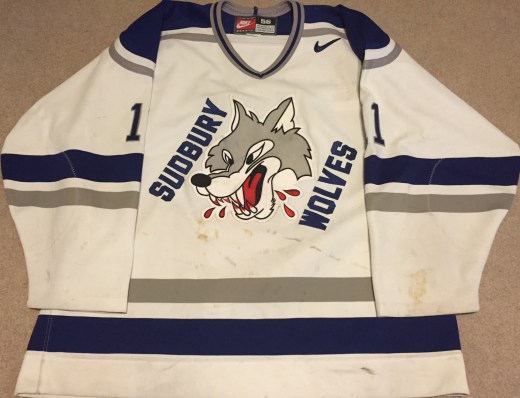
Kelly returns to the only other NHL team he has known, the one that drafted him 94th overall in 1999 out of the London Knights (Kelly finished his OHL career with the Sudbury Wolves- see below) and gave him his shot at the big time coming out of the 2004-05 lockout.

B’s GM Peter Chiarelli brought Kelly into Boston several weeks before the 2011 trade deadline, giving up a second-round pick (which turned into Shane Prince) to acquire the two-way forward who had first gotten to know Chiarelli when he was Ottawa’s assistant GM prior to landing in Boston in 2006.

Kelly didn’t do a great deal to stand out immediately after coming to Boston. He did close out the 2010-11 regular season scoring with a last-second goal in Newark against the New Jersey Devils in a loss, but he demonstrated his worth in Game 3 of the opening round of the playoffs against Montreal. With his team in an 0-2 hole facing crisis after dropping both home games to the hated Canadiens, Kelly stepped up and was a hero, helping his team claw its way back into the series and on path for the eventual Stanley Cup championship.

Like the Red Sox in 2004 with a comeback for the ages against the NY Yankees, the Bruins’ first championship in decades was greatly sweetened by the fact that they slew the Habs en route to the title. Kelly was a major part of that, earning “the Cage” as a nickname when he suffered a facial injury that required full face protection and a waffle-grid cage.

Oh, yeah…did I mention he was fearless? He stuck up for his teammates as evidenced with his “small altercation” against Chicago’s Andrew Shaw:

Kelly followed up a championship spring (he had previously helped his Senators to the 2007 SCF before losing to the Anaheim Ducks) with a career-best 20-goal season in a contract year, turning that success into a controversial 4-year, $12-million extension, that was nearly universally panned at the time as an overpayment. In hindsight, it was (he scored just 21 total goals over the next four seasons vs. the one 20-goal campaign in 2011-12), but Kelly was always the consummate professional and loyal soldier. He commanded respect in the room, and while that doesn’t earn nearly as much respect as is warranted sometimes, the Bruins are losing a trusted agent and veteran with his departure.

Niklas Kronwall: “Was that necessary?”

Given the way things ended for Kelly- a fractured femur just 11 games into the 2015-16 campaign that cost him the entire balance of his final year in Boston, it’s a shame not to be able to see him make his comeback in the Black and Gold. At the same time- the injury did provide a tangible end to his time in Boston, even if it was not a more fitting coda to his 288 games in a Boston uniform (43 goals, 101 points). Yeah, the numbers are nothing to write home about, and yes- he didn’t provide the team with enough bang for the buck to warrant the commitment, but Kelly deserved a better fate than how it all finished against Dallas on November 3, 2015.

Kelly is in the twilight of a career that saw him work his way up to the NHL via the UHL’s Muskegon Fury- one of just a handful of players to establish themselves as big league regulars after starting out near the bottom rung of the professional hockey ladder. Full disclosure: it took me some time to warm up to the value of Kelly, but after being around him and seeing him do enough of the little things, it wasn’t heard to figure out what the Senators and Bruins both obviously saw and see in him.

It is an unfortunate by-product of the modern salary cap era that capable, versatile, and upstanding guys like Chris Kelly almost immediately get raked over the coals over the contract, but this is the way things go in today’s NHL. In the eyes of some, it made no sense to bring Kelly back even on a short-money and term deal like the one the Sens gave him. And yes, it’s true that Kelly didn’t justify the 2012 extension in terms of production, but for those young players he helped to mentor during his previous four years with the team, that payoff will last well beyond the presidential term and $12 million he banked as a member of the Boston Bruins.

I fully realize to some that is a small comfort, but for those players who know what Kelly did for them and the fans out there who appreciate the importance of leaders and team builders who ultimately get little praise or respect if they’re not dazzling onlookers with their skill or filling the net, they know that “Kells” will be missed.

Chris Kelly 00-01 Sudbury Wolves home frontChris Kelly 00-01 Sudbury Wolves home back

Getting to know David Backes

When the news broke Friday in the NHL’s annual free agent extravaganza that the Boston Bruins agreed to terms with former St. Louis captain and center David Backes, any optimism that the team might be acquiring a player with a great deal of experience and an impressive body of work as a top two-way forward and leader was tempered with concerns about the 32-year-old’s five-year, $30 million pact.

Regardless of what side of the fence you come down on, the 6-foot-3, 225-pound veteran is a multiple 30-goal scorer who spent his entire career with the Blues after being the 62nd overall selection in the storied 2003 NHL Entry Draft, the same one that saw new teammate Patrice Bergeron selected 17 spots ahead by the Bruins in Nashville.Now, 13 years later, the most senior member of the B’s was credited by Backes as one of the key players who reached out to him this week and helped sell him on leaving the only NHL home he’s ever known to try and get Boston back on a winning track.

“He, personally, was one of the guys that I was able to talk to,” Backes said in an afternoon conference call. “I can maybe flatter a little bit now that he’s my teammate, but I hate giving players credit, giving them any edge, when I’m playing against them. But he’s a guy you were pissed at by the end of the game because he never made a mistake. That’s a good way to be successful defensively and then, by the end of the game he typically was producing something [on the] offensive side of the score sheet, too – just a guy that you can’t take a shift off because he’s going to make you pay.

“If you’re going to get anything done against him, he’s always in the right spots, he’s winning draws against you, he’s a fearless competitor, he just keeps going and keeps his mind focused on what he needs to achieve during the game. He’s a winner. He’s won a gold medal, to my dismay. He’s also won a Stanley Cup. You can’t discredit any of those great achievements that he’s had.”

That Backes would have such immense respect for a player of Bergeron’s caliber is not surprising in the least. Natural competitors and leaders gravitate towards one another, after all. And, as the Minnesota native would later reference in his various remarks, those leaders are the ones most responsible for instilling and maintaining a winning culture that everyone in the room gets on board with.

“We need a cohesive leadership group that’s made up of prominent players that have a loud voice and walk the walk and not just talk the talk,” he said. “If you have that – a good four to five guys with those qualities – the rest of the team has no option but to jump on board and fall in line. If that’s what you have, that pretty much cracks the whip on everyone else and that’s going to breed a ton of success.”

Leadership and character alone is not enough, however. Immediate concerns about the signing have cropped up primarily related to the newest Bruin’s age and diminishing returns in terms of his statistics, finishing the year with 21 goals- his lowest output since the lockout-shortened 2012-13 campaign.

“Feeling really well,” Backes replied when asked about the toll his rugged brand of hockey over more than a decade has taken on his body. “I think that physical style has been one of my calling cards for 10 years, and I think maybe if you start to slow down a little bit, and you get a little bit older, your intelligence and your hockey sense and your ability to think the game is accelerating maybe faster than you’re slowing down. And those types of efforts to be efficient I think make – in my world, I think it’s made me a better player, and been able to carry that physical play and pick my spots at key moments, rather than just hitting everything that moves like it’s a rugby match.”

In other words, the old horse isn’t ready for the glue factory quite yet.

“Being able to perhaps finish on certain guys on the other team and other ones, it’s not worth going the extra two, three steps out of your way to expend that energy and to go for that hit,” Backes said.  “I’m 32. I’m not 52. I think there’s plenty of legs and plenty of physicality and energy left in me and the term’s been something that maybe a few people have questioned, but for me, I expect to still be at the top of my game for that last year and be a contributing member for the Boston Bruins and training differences, being able to really take care of my body, listening to it and just give everything I’ve got and I think that’s the way I’m going about it and I would expect to be really good in that fifth year still.”

All the heart and want to in the world won’t matter if the machine breaks down or the player is unable to match the previously high-end performance that he was known for as a member of the Blues who spent the last five years wearing the captain’s ‘C’.

Boston GM Don Sweeney naturally sold his signature acquisition to date as someone who will be part of a winning formula going forward, even though the more pressing need of at least one defensive piece to upgrade the back end was conspicuously absent from his list of transactions today.

“We identified David from day one as the type of player that would play with and complement Patrice and David Krejci and allow us to have flexibility, be it this year with, you know, if he wants to move to the wing in a production role or a matchup role,” Sweeney said.  “You know if you look at the defensive zone starts that David Backes had over the course of his career, it’s phenomenal that he’s produced at the level he has. He’s now got the chance now to play either with Patrice or David Krejci or play amongst them in a balanced lineup that allows him to be in an offensive situation with Krejci and maybe even backup Bergeron from that standpoint. So I think it adds the balance to our group, you know. And if Ryan Spooner continues to emerge and play the way that he’s capable of playing on a consistent basis and David Backes moves to the wing we’re going to be a better organization.”

Despite some of the more advanced analytics that showed Backes’ effectiveness in positive puck possession declining, Sweeney pointed out that the veteran still represents a clear upgrade for the B’s going forward.

“We have on the horizon a number of young, skilled players that I think will benefit, as I mentioned, will continue to play with Marchand, with Bergeron, with Krejci, and now with a Backes type,” Sweeney said. “He can then slide into players that come in and identify themselves handling bigger roles, then he can slide into different positions. I just think the versatility of this player and the leadership qualities speak for themselves.

“And his production, we expect it to continue. It took a drop this year, but that’s the age-related studies that everybody looks at and realizes that you know what you’ve signed up for in this player, that if the commitment to the term and from the ownership standpoint, we were all on board. We’re trying to win. The number of players we have, as I mentioned, with the younger players, I think it’s going to be a good complement.”

Not always the most fleet of foot, Backes is one of those more powerful skaters who uses a full head of steam to drive the net and score goals through grit and will as opposed to generating a highlight reel package off the rush. As he gets older, the foot speed and quickness are sure to diminish, so Backes addressed what is likely in store with him in the lineup.

“I don’t think the game’s getting slower,” he said. “I think that it’s a fast game, but if you start to manage the puck in the right way, and you can occupy the offensive zone and do a lot of the things that teams that are heavy and control the puck and occupy zones do, it’s not a track meet up and down the ice.”

The track meet…something the Bruins have been ill-prepared to compete in for years, even as the NHL has undergone a clear paradigm shift to more of a speed/transition and skill game, is one of the chief concerns among observers and fans who saw the team often unable to match the pace and tempo of those higher-end clubs who were among those playing well into late May and June.

“With Pittsburgh winning the Cup, a team that was kind of designed on that track meet, let’s go, let’s see who can skate the fastest up and down the ice, there may be a trend or a tendency to start to build teams like that,” said Backes.  “But you’ve also seen other teams in the L.A. Kings, the Boston Bruins, in recent history, win playing that heavy game, and maybe not having the fastest team, but winning every battle that you get into, being able to control the puck once you get it and then owning the important areas of the ice which is in front of the net.”

The consistent net-front presence, which is something Backes is sure to provide, is another area the Bruins have been lacking in. They’ve also lacked a consistent set of forward lines, which is something the newest free agent vowed to address, even though there was discussion about what position might have been promised to him ahead of time.

“I’m into winning games, so if Claude (Julien) thinks that we’re going to win more games with me playing wing then I’m in,” Backes said.  “If he thinks that we’re going to win more games with me playing center, I’m in. Whatever he thinks, you know, I’ll do it to the best of my ability. And you know it’s one of those things where it may be schedule dependent, it may be opponent dependent, it may be dependent on a bunch of different variables, but we’re going to have a game plan to win and we’re going to go out there and execute it.”

Sweeney echoed the sentiment of being flexible and basing it on ideal matches, allowing the coaches to leverage the veteran’s flexibility.

“We’re going to let it play out,” he said. “We look at the fact that the penalty killing was an area that we needed to address. He’s really good at that.”

Center or wing? Wing or center? Don’t expect to have it figured out in July.

“The strength up the middle of the ice, as I mentioned. Ryan Spooner, it will be a great challenge for him to occupy that spot or play next to one of these centers,” Sweeney said. “The guys that emerge as being able to handle the minutes and the situations are the ones that are going to play. It’s just a real good opportunity for anybody, any younger player coming into this organization is going to be put in position to play with really unique players. And we’ll find the right complements.

“If that means David gets to move to the wall to play with one of the top two guys in a producing role, that’s okay. We’ve now been in a position where if we want to go four deep, which we generally have when we’ve had success, where’s the matchup come from the other side? The other teams may find it difficult to play against the top centers that we have. So we’re going to let it play out.”

Ultimately, there are those who will embrace Boston’s newest acquisition and what he could bring the team, even if they acknowledge that Sweeney and Co. are accepting risk by offering term and value on a player who is on the wrong side of 30. Those are entirely valid concerns, but at the same time- it is not a zero sum game. Backes is a hands-on leader who will complement Boston’s existing leadership core, several of whom tend to be a little more quiet and passive as opposed to direct and confrontational. The B’s have no problem with leaders who set the right example, but when players aren’t pulling their weight or doing the things necessary for team cohesion and success, Backes is the kind of guy who will likely get in someone’s face. He’s got the proper body of work and cachet to do it, too- whether he wears an ‘A’ on his Bruins sweater or not won’t matter one bit.

“You talk about the character piece, the leadership qualities and his willingness to want to win and it aligns with the guys that have won,” Sweeney said. “And the more we can surround our team and identify our team in that regard – now, this all being said, that our younger players have to step forward, emerge, have the opportunity to take a hold of it, and these guys are going to be the leading core to get us to where we want to go, and our younger players have to jump on board.”

Backes sees the world in relatively straight forward fashion, and that was evident when he addressed his desire to make Boston his new hockey home:

“Every time I had a conversation with someone from the organization, that kind of goosebump feeling on your arms and that emotional connection and thought process towards what it would be like to maybe have a different sweater and be able to join what they’re trying to do in Boston really just kept building,” Backes said. “And then the opportunity presented itself not too long after 11 (a.m.) struck. Once (the agent) and Don Sweeney figured out the numbers, it was let’s move on with this and sign the deal because it makes so much sense on so many levels.”

This signing might not make sense on as many levels to some, but one of Boston’s priorities in the offseason was to get tougher to play against, and they succeeded on paper with the Backes acquisition. Time will tell if it will work out as planned, but for now- one veteran is in the fold to help shore up an offense that lost Loui Eriksson’s 30 goals and strong two-way play to Vancouver.

There is still much work to be done, however, with a blue line that is still at least one key upgrade away from being playoff caliber.

The July 1st transactions were a start, but the offseason grade is still incomplete.


Getting to know Charlie McAvoy

McAvoy1

By the time the Boston Bruins and owner Charles Jacobs stepped up to the podium at First Niagara Center in Buffalo to announce the team’s first draft choice with the 14th overall selection last Friday, it was all but fait accompli that one of Boston University defenseman Charlie McAvoy or Boston University recruit defender Dante Fabbro out of Penticton was going to be the name called.

Both were available, both were right-shot defensemen, both represented not only what many would consider the top talent available at that spot, but were also filled a clear organizational need for the B’s.

He stumbled over the words, but the younger Jacobs, who was born in Buffalo as the son of Bruins owner Jeremy Jacobs- CEO of the Western N.Y. Delaware North Corporation- called McAvoy’s name and after a season of frustration and an epic meltdown over the last 30 days of a year in which the B’s had largely overachieved before crashing to earth in March and early April, Boston had their man.

“Charlie’s one of those players who can do a little bit of everything,” one NHL scout for an Eastern Conference team told the Scouting Post in Buffalo before the draft. “Some are talking top-10 for him, and I could see that. He has the talent for it. More realistically, I see him going around 15-20, but that’s not a knock on him. He’s got that wide body and a natural knack for getting up in the play. With his skating he can push it at both ends, and that’s so important in the NHL these days. He’s also a bit of a character, too. He totally rocked our interview…we’re not in a position to get him, but we all kind of looked at each other when he left and thought, that’s a good kid right there.”

McAvoy is a nice fit in Boston with his blue collar roots. He grew up on Long Island the son of a plumber and fireman who was a natural at hockey but came from a large family, and finances did not permit him to continue playing the sport at the higher levels. A staunch NY Rangers fan, hockey remained his favorite after moving onto other sports like football and baseball, but he vowed to do what it took to allow his son to stay in hockey if that’s what Charlie desired.

That desire took McAvoy through the Long Island Gulls and New Jersey Rockets minor hockey programs before he landed a spot with the U.S. National Team Development Program in Ann Arbor, Michigan (Team USA moved to Plymouth, Mich. before the start of the 2015-16 hockey season). While there, he emerged as a legitimate first-round NHL option, and carried that potential forward to fruition in his very own Empire State on June 24, 2016.

Born on December 21, 1997, the younger McAvoy missed the Rangers’ first and only Stanley Cup victory since 1940 by three-plus years. He was a Broadway Blueshirts fanatic whose first favorite player was Hockey Hall of Famer Brian Leetch. To this day, Leetch remains the player he most tries to emulate in his playing style. At the rate he’s going, it’s not outside the realm of possibility that McAvoy could develop into a successful NHL star with similar attributes.

“I’m at a loss for words; it’s an unbelievable feeling and I’m so happy to be a part of this,” McAvoy said after the selection and he made his way into the bowels of the arena to meet the press for the first time as a member of the Boston Bruins. “I’ve gotten close with (the Bruins) this year and I’m sure my friends at home are happy, but I’m kind of cutting the ties with New York sports. Boston’s an unbelievable city and it’s a great place with great people and I’m happy to be staying there.”

Although not tall, McAvoy has a thick, strong build. His BU coach, David Quinn, spoke to the Scouting Post (TSP) after the selection briefly and credited the newest Boston first-rounder with putting in a lot of weight room work to get himself into better game shape after arriving, and said that the 18-year-old made significant progress as a player in all facets from the beginning of the 2015-16 season until the end. He also talked of Charlie’s “magnetic personality” and that players want to spend time with him.

“That was something that I worked on a lot- the defensive side of the puck,” McAvoy said. “It was something I needed to grow in and get better in and I feel like I made great strides throughout the year.”

McAvoy is a natural offensive talent. In his own words, he sees himself as a threat to be effective at both ends.

“I’m a two-way defenseman,” said McAvoy. “I can play the offensive side of the puck and that’s something I like to do, but I’ve grown a lot on the defensive side of the game.”

During a pre-draft podcast, TSP likened McAvoy to one of the pirates of old who liked to set his hair on fire before plundering a hapless vessel. He’s a classic push-the-pace, aggressive defender who likes to lead the rush and has the skating and puck skills to carry the puck out of his end on his own and can make all of the key outlet passing and long leads. There are times where his riverboat gambler mentality will get him out of position, but McAvoy has the natural hockey sense to learn from that and with continued strong coaching at BU by Quinn, Albie O’Connell and Scott Young– he’s sure to get better with his reads and decisions.

His defense partner, former BU captain and future Bruin Matt Grzelcyk, had left-seat ride with McAvoy all year, watching the 17-year-old arrive on campus last summer to complete his academic requirements so he could play in the NCAA while other peers remained in high school. That maturity and self-discipline to see it through impressed Grzelcyk enough, but it was McAvoy’s poise and ability that elevated him as the season went on.

EDIT- I managed to exchange texts with Grzelcyk and this is what he has to say about his former teammate and fellow Bruins prospect:

“Playing with Charlie was an awesome experience,” Grzelcyk, who just concluded an outstanding four-year career at BU (two years as captain) after being a third-round pick by his hometown B’s in 2012, said. “Even though he was the youngest player in college hockey last year he was mature both on and off the ice as soon as he stepped foot on campus.

“He’s a great skater who’s tough to knock of the puck and was able to add a bit of an edge to his game; in my opinion, it made his impact on the game even greater. Over the course of the year, I believe he was best when he was able to simplify his game and allow his skill to take over. He was an unbelievable D partner to have, and an even better teammate. I could not be happier to see him picked by the Bruins.”

Now, with his first collegiate season under his belt (he scored three goals, but added an impressive 22 assists in 37 games, which was more than Noah Hanifin had a year ago), he’s looking to kick things up a notch on Commonwealth Ave, after the Terriers took a disappointing step back last year.

“I was joking with (Don) Sweeney, I said- Grizzy and JFK- they can’t get rid of me now,” he said. “They’re unbelievable players and great people. It’s going to be exciting to go through all this stuff with them.”

McAvoy’s national team coach, Don Granato, who left the NTDP to join his brother Tony as an assistant with the University of Wisconsin, talked to TSP about his former defenseman and said that McAvoy has one of those even-keeled yet outgoing personalities- teammates just gravitate to him because of who he is and how he conducts himself. He’s a 1st-round talent and a 1st-round person, he said, citing that McAvoy is one of the most loyal players of any he has coached in his career. “Anything we told him, he soaked up like a sponge,” said Granato. “He wanted to get better, and that kind of loyalty and dedication in a player is something that helps you go the extra mile as a coach.”

That loyalty might have been part of a small theater of the absurd that cropped up Friday night when someone got ahold of a tweet that McAvoy sent in May, 2013 at age 15. For those who might have been under a rock at that time, the Bruins were in the second round of the playoffs against McAvoy’s Rangers and had just taken a 3-0 series lead (they would win it in five games on their way to the Stanley Cup final against Chicago). The die-hard Broadway Blueshirts-supporting teen sent out a tweet expressing his hatred for all things Bruins. It’s a sad commentary when people are so thin-skinned and petty that more than three years later, some were actually holding that against him. If you’re one of those people- do yourself a favor- look in the mirror and give your head a shake. You need some perspective in life, and shame on TSN and any other media outlets who picked up on a teenager’s tweet and made it a circus sideshow on the biggest night of his young life.

“Not necessarily,” was McAvoy’s attempt at diplomacy when a reporter asked him point blank if he “hated” all Boston sports teams growing up (he even chuckled before responding). “You grow up- kinda- I guess you’re taught not to like them (Boston sports) because of the rivalry but I’ve got a Red Sox hat now, so that’s the first step and I’ve got this Bruins jersey, so that’s pretty cool. I’ll just keep growing.”

He then demonstrated what his coaches and teammates talk about when they say what a good, fun guy he is to have in the room, showing one last bastion of loyalty to his New York Giants:

“I don’t know if I can be a Pats fan,” he quipped with perfect comedic timing, drawing an instant reaction from the Boston media (pro tip- we thought it was funny). “But we’ll see. Give it a little a time.”

The Bruins, for their part, could have opted for the more defensively-polished and serious Fabbro. TSP was not shy in saying that Fabbro was the higher-rated option, but at the same time- the margin between the two was razor thin. The British Columbia-bred Fabbro went 17th overall to the Nashville Predators, and will join McAvoy at BU next season. We said it all along- if the Bruins had a choice between the two, it was win-win either way. McAvoy has a higher offensive upside, but Fabbro was a little better defensively. Both are winners, so if you felt like you were sold on Fabbro over McAvoy, just consider that perhaps playing in Boston’s back yard tipped the scales.

With four first-round picks either at BU or headed there next year (Clayton Keller, McAvoy, Fabbro and Kieffer Bellows), McAvoy said that they all got together for lunch on Friday before the draft and that he can’t wait to get going again. Assuming everyone arrives on schedule (there is talk of Keller perhaps playing in the OHL, as the Windsor Spitfires own his major junior rights), the Terriers are poised to be the beasts of the Hockey East.

“I’m excited to be Charlie’s teammate and excited about joining that BU tradition,” Fabbro told TSP before the draft. “Coach Quinn and Albie and everyone has built something special and I’m just looking forward to being a part of it and doing what I can to help the Terriers win.”

As for the Bruins, they admitted to having a tough choice between the two players, and in hindsight- it might have been easier had one or the other come off the board before 14. In the end, they simply liked McAvoy a little more, and Bruins chief scout Keith Gretzky made mention that playing well against guys as much as six years older than McAvoy was one of many factors that tilted the B’s towards him.

“We’re excited with the skill set and the upside he has as as player with and without the puck,” Sweeney told assembled reporters Friday night. “He’s a multi-tool player; we feel like he has offensive upside that will continue to get better. You know, he steps into the college game and you can track where he was in the first half of the season, second half and understand that he got acclimated.

“People had spoken about him maybe to try to do a little too much at times, and he’s playing against guys that are four or five years older in some cases and really handled himself very well. He’s a very physical player at times- we’d actually need to back him off, but it’s another very good quality he has. He can puck-separate; he finds the middle of the ice and as a matter of fact, ‘JFK’ spoke highly of that in terms of a centerman wants the puck, and he wants it in motion when he’s going up ice and I think today, it’s paramount for defensemen to be able to establish more than one option; be able to recognize it, be able to execute it and I think Charlie does it well.”

In the end, McAvoy’s selection infused some excitement at a time the team needed it. He’s headed back to BU for at least one more season, but with his advanced strength and physical maturity, don’t be surprised to see the Bruins bring him out as early as next spring when his season ends. It wouldn’t constitute the impossible to see him turn pro sooner than that depending on how he looks at the B’s development camp the week of July 11, but having him return to school for one more NCAA campaign looks more realistic at this stage. If he takes the anticipated step forward, Boston won’t wait long to get him into their system and see if he can contribute to the NHL roster sooner rather than later.

Even with the optimistic outlook, however, McAvoy knows that the work is only beginning and that he can’t afford to take anything for granted. He’s got some work to do conditioning-wise and one can only imagine that noted Boston strength coach John Whitesides is eagerly awaiting the chance to sink his teeth into McAvoy and tease even more performance out of the youngster’s impressive natural physical package.

“You can’t get caught up in it because this is one day,” he said of the excitement of being a first-round NHL draft pick. “I’m going to enjoy this with my family and my friends but I’ll be at school Monday and I’ll be working out in the morning and I’ll be back in class and that’s really where it all starts: growing and continuing to grow, and getting ready to play in the NHL every single day.”

McAvoy2